 The Diversity
In 1970 the Costa Rican people wanted their beautiful country to be protected. All so future generations could share its natural flora and fauna. That year Costa Rica founded the Costa Rica national parks system that is admired around the world. Costa Rica has maintained a higher proportion of its land mass for national parks. Much more than any other country in the world- with 10.27 % protected as national parks by Costa Rican law. An additional 17 % set aside for reserves, wildlife refuges and protected zones.
The Costa Rican government also protects areas of historic and archaeological interest. Pre-Columbian settlement areas and early battlefields are protected with the same fervor as the rainforests and wildlife preserves. Protecting the natural resources of Costa Rica has far-reaching implications because of its amazing biodiversity.
Costa Rica National Parks a National Treasure
The government National Conservation Areas System (SINAC) established in 1998 protects nearly two hundred conservation areas. Including over 50 wildlife refuges, 32 major national parks, over a dozen forest reserves and a handful of biological reserves. In most cases, access to all of the Costa Rica National Park System and Reserve System is inexpensive and readily available, though some are easier to get to than others. Some of the most popular national parks include the Arenal Volcano National Park, the Monteverde Cloud Forest, Manuel Antonio National Park, Tortuguero National Park and Cahuita National Park.
All in all, this program has provided the people of Costa Rica and tourists with an amazing opportunity to admire and examine the wonders of nature. Costa Rica alone has 75% of the Central American Biodiversity. How amazing it is to see such amazing Costa Rica attractions.
National parks you don’t want to miss on your Costa Rica vacation
Cordillera de Talamanca
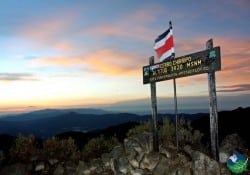
The Cordillera de Talamanca mountain range houses several national parks and other conserved areas. Also, including the La Amistad International Park, or The Friendship Park, is a shared National Park with Panamá and extends into Panamanian territory. This is a great area to see bird species, including the Resplendent Quetzal, Scarlet Macaws and the famous endangered Green Macaw.
Monteverde Cloud Forest Reserve
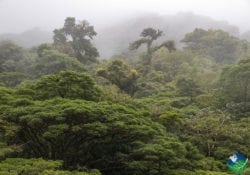
The Monteverde cloud forest should be on the top of your lists. One of three cloud forest reserves in the area, Monteverde is an amazing place to see wildlife during the day and at night. You can also hike above the canopy on hanging brides, or fly above the forest canopy on zip lines.
Corcovado National Park
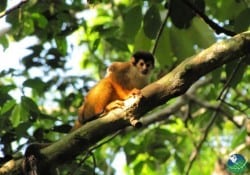
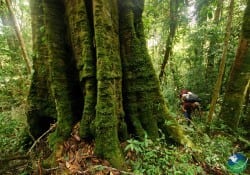
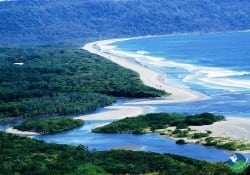
In the South, on the Osa Peninsula, you can find the world famous Corcovado National Park, which is home to the world’s largest lowland tropical rainforest preserve and a plethora of unique and exotic species of endemic Costa Rica animals and plants. Prepare to come across all four monkey species, collared peccaries, hundreds of bird species, 10,000 insect species and more! Camping is available (upon reservation) at a ranger station. You must have a guide to hike through Corcovado, so plan ahead!
Arenal Volcano National Park
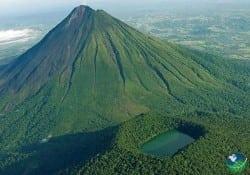
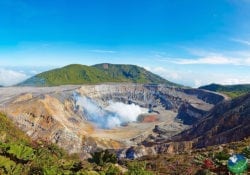
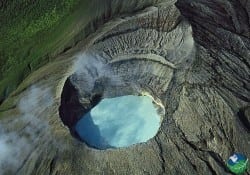
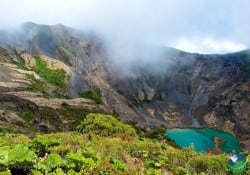
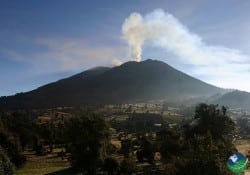
If you only have time to visit one Volcano national park, during your Costa Rica vacation, make it Arenal. The Arenal Volcano is an amazing sight to behold and a great place for adventure tours. Go zip lining, hiking, canyoning and white water rafting! You can also enjoy the natural geothermal hot springs. Other volcano national parks worth mentioning are Poas Volcano National Park, Tenorio Volcano National Park and Irazu Volcano National park.
Manuel Antonio National park
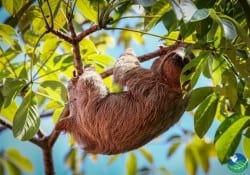
Manuel Antonio National Park was also named as one of the Earth’s most beautiful National Parks by the esteemed Forbes magazine in 2011. Pay a visit to one of the most popular parks in Costa Rica and you’re sure to see sloths, howler monkeys, spider monkeys in their natural habitat on hiking trails that will eventually lead you to two beautiful white sand beaches.
Tortuguero National Park
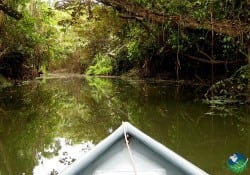
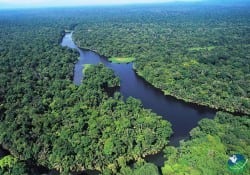
If you’re looking to get in touch with nature, visit Tortuguero along the Caribbean coast. Tortuguero is one of the best places in Costa Rica to see sea turtles nesting. You can hike along the beach with a guide in the evening to get a unique glimpse of them!
Cocos Island National Park
Cocos Island National Park, sometimes called the Galapagos Of Central America, was declared a protected national park in 1978 and was declared a World Heritage Site in 1997 by UNESCO.
Isla del Coco
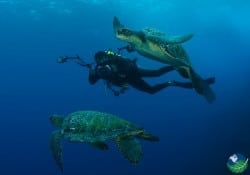
Isla del Coco is one of Costa Rica’s top destinations for scuba divers, nature enthusiasts, scientists, birders, and biologists. Its large population of large pelagic marine giants never fail to amaze. For example, Manta Rays, Dolphins, Hammerheads, Whale Sharks and other marine species and are truly a rare sight to behold.
Marino Ballena National Park
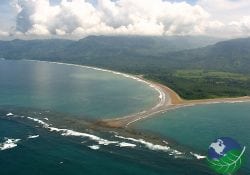
The Marino Ballena National Park was established in 1990 as a way to protect the coral reefs around Isla Ballena. From this area you can see majestic humpback whales between December and March and bottlenose dolphins all year long.
A famously Green Nation
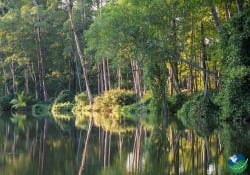
Famous for its pro-active conservation policies, note-worthy environmental stewardship and its promotion and practice of sustainable ecotourism. The National Parks Map also shows the entire national park system in Costa Rica. These parks are an integral part of Costa Rica’s world-esteemed efforts. So much, of the rainforests, dry forests, mangrove swamps, cloud forests and marine reserves and wetlands of Costa Rica are fascinating to explore. The knowledge garnered by studying these preserved vital habitats continues to be an invaluable benefit to the natural and conservation science communities.
There are presently 26 Costa Rica National Parks, and all of them are managed under the umbrella of Costa Rica’s Sistema Nacional de Areas de Conservacion, or SINAC, a department of the Ministry of Environment and Energy, MINAE. Costa Rica’s protected parks, refuges, and reserves span more than 25% of the country’s total territory. Some of these parks are among the Costa Rica national park system.
Home » Costa Rica National Parks

 My Costa Rica


 The Diversity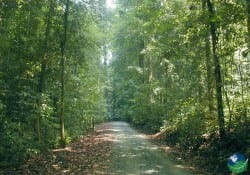








Follow Us